

7 Effective Strategies for Tax Planning and Optimization
Introduction:
Strategies for Tax planning and optimization are crucial aspects of personal and business finance. They involve proactive measures to minimize tax liabilities while maximizing financial gains. By strategically managing your income, expenses, and investments, you can legally reduce the amount of tax you owe and keep more of your hard-earned money. In this article, we will discuss seven effective strategies for tax planning and optimization.
1. Understand Your Tax Obligations:

Image source: foodmanpa.com
To optimize your tax planning, it is essential to have a clear understanding of your tax obligations. Familiarize yourself with the tax laws and regulations applicable to your jurisdiction, including income tax rates, deductions, credits, and deadlines. Stay updated on any changes in tax laws to ensure compliance and take advantage of any new opportunities for tax optimization.
2. Plan Your Income and Expenses
Careful income and expense planning can significantly impact your tax liability. Consider deferring income to the following year or accelerating deductions into the current year to minimize your taxable income. For example, if you are self-employed, you may have the flexibility to delay invoicing until the new year, effectively deferring the associated tax liability.

Image Source: mymoneycoach.ca
Conversely, accelerating deductible expenses, such as business-related purchases or charitable donations, can reduce your taxable income for the current year. By strategically timing your income and expenses, you can optimize your tax position and potentially lower your overall tax bill.
3. Take Advantage of Tax-Advantaged Accounts (Strategies for Tax Planning and Optimization):
Tax-adantaged accounts are valuable tools for tax planning and optimization. Examples include retirement accounts like Individual Retirement Accounts (IRAs) and employer-sponsored 401(k) plans. Contributions to these accounts are often tax-deductible or made with pre-tax income, reducing your taxable income for the year.

Image Source: investmentu.com
Additionally, earnings on investments within these accounts grow tax-free until withdrawal, allowing your savings to compound more efficiently. By contributing to tax-advantaged accounts, you not only save on taxes but also secure a financial cushion for the future.
4. Maximise Deductions and Tax Credits:
Deductions and tax credits are powerful tools for reducing your tax liability. Deductions, such as mortgage interest, medical expenses, and student loan interest, directly reduce your taxable income. Identify all available deductions and ensure you claim them accurately to minimize your tax bill.

Image Source: mas.net.in
Similarly, tax credits provide a dollar-for-dollar reduction in your tax liability. Common tax credits include the Child Tax Credit, Earned Income Tax Credit, and Education Tax Credits. Explore the eligibility criteria for various tax credits and take advantage of those applicable to your situation to optimize your tax savings.
5. Strategize Investments (Tax Planning and Optimization):
Investment strategies can play a significant role in Strategies for Tax Planning and Optimization. Understanding the tax implications of different investments can help you make informed decisions. For example, long-term capital gains tax rates are typically lower than short-term rates. By holding investments for more extended periods, you may benefit from the reduced tax burden when you sell them.
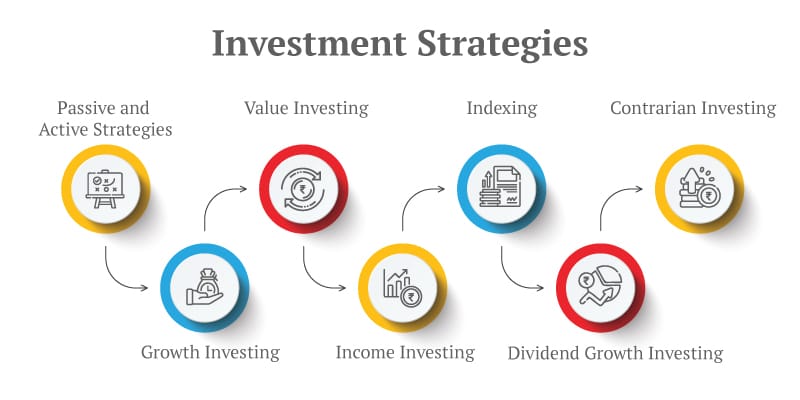
Image Source: canarahsbclife.com
Additionally, consider tax-efficient investment vehicles like index funds or exchange-traded funds (ETFs), which have lower capital gains distributions compared to actively managed funds. By choosing tax-efficient investments, you can minimize taxable gains and potentially optimize your after-tax returns.
6.Consider Tax Loss Harvesting (Strategies for Tax Planning and Optimization):
Tax loss harvesting is a strategy that involves selling investments that have experienced a decline in value to offset capital gains. By strategically realizing losses, you can reduce or eliminate the taxable gains generated by other investments. This technique can be particularly useful if you have capital gains from selling appreciated assets.
Image Source: wp-asset.groww.in
However, it’s essential to be mindful of the “wash sale” rule, which prohibits buying back the same or a substantially identical investment within 30 days of selling it. To avoid this rule, consider reinvesting the proceeds into a similar but not identical investment or waiting for the 30-day period to elapse before repurchasing the asset.
7. Consult with a Tax Professional (Strategies for Tax Planning and Optimization):

Image Source: inneedsolutions.com
Tax planning can be complex, and tax laws are subject to change. Therefore, consulting with a qualified tax professional is highly recommended. A tax professional can provide personalized advice based on your specific circumstances, ensuring you optimize your Strategies for Tax Planning and Optimization while complying with relevant tax regulations. They can help you identify additional deductions, credits, or incentives that may apply to your situation, maximizing your tax savings.
Conclusion:
Implementing effective tax planning and optimization strategies can lead to substantial savings and financial benefits. By understanding your tax obligations, planning your income and expenses, leveraging tax-advantaged accounts, maximizing deductions and tax credits, strategizing investments, considering tax loss harvesting, and seeking guidance from a tax professional, you can proactively manage your taxes and keep more of your hard-earned money. Remember to stay informed about tax law changes and adapt your strategies accordingly to ensure ongoing tax optimization.
Read this too :The Rise of Robo-Advisors: How AI is Transforming Investment Management
FAQs
Q1. What is tax planning?
Tax planning refers to the process of organizing your finances in a way that minimizes your tax liabilities. It involves strategic decision-making regarding income, expenses, investments, deductions, and credits to legally optimize your tax position.
Q2. Why is tax planning important?
Tax planning is important because it allows you to maximize your financial gains by minimizing the amount of tax you owe. By employing effective tax planning strategies, you can potentially reduce your tax liability, keep more of your income, and achieve long-term financial goals.
Q3. Are there different tax planning strategies for individuals and businesses?
Yes, tax planning strategies may vary depending on whether you are an individual or a business entity. Individuals may focus on strategies like maximizing deductions and credits, utilizing tax-advantaged accounts, and optimizing investments. Businesses may employ strategies such as proper expense management, entity selection, and tax credits specific to their industry.
Q4. How can I reduce my tax liabilities?
You can reduce your tax liabilities by understanding your tax obligations, planning your income and expenses, utilizing tax-advantaged accounts, maximizing deductions and tax credits, strategizing investments, considering tax loss harvesting, and seeking guidance from a tax professional.
Q5. When should I consult with a tax professional?
Consulting with a tax professional is recommended to ensure personalized advice, maximize tax savings, and stay compliant with changing tax laws. They can help identify additional deductions, credits, or incentives applicable to your situation and provide expert guidance on tax planning strategies.

Pranjal Nath is a versatile content writer with a passion for exploring and writing about various topics. With expertise in finance, education, science, sports, and travel, he creates engaging and informative content for readers. Through his writing, Pranjal aims to educate and inspire his audience to learn and experience new things.


