Getting to Grips with Financial Portfolios
Getting to Grips with Financial Portfolios
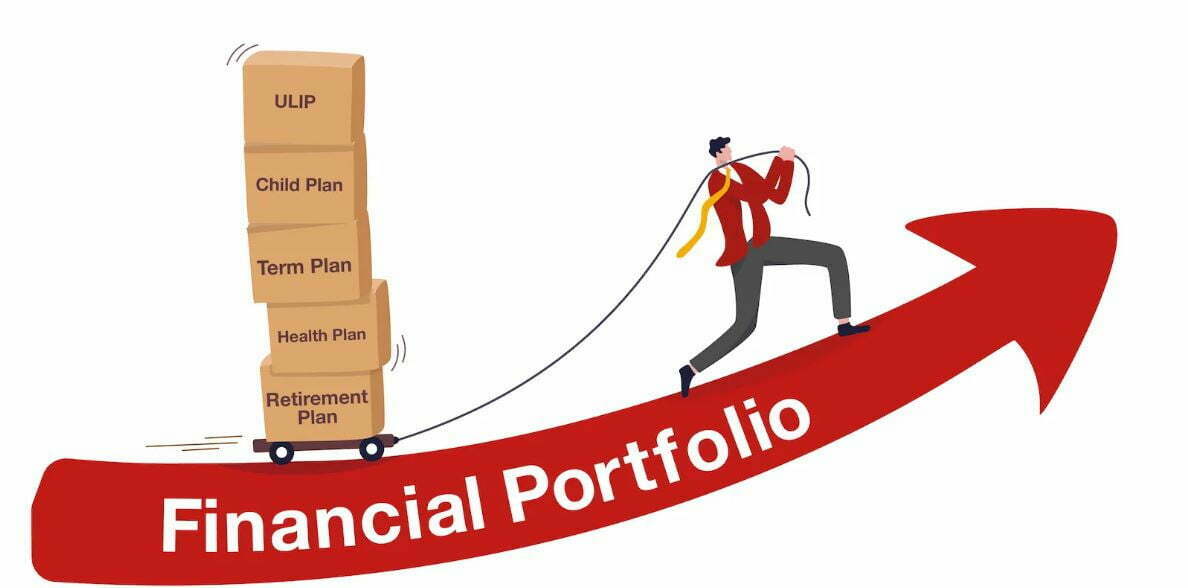
Making financial portfolios decisions can be a very confusing and daunting task. Understanding how to build a portfolio with stock market investments can provide tremendous returns over time, if done right. With this in mind, it’s important to understand the ins and outs of building a financial portfolio, even if you have limited investment experience. We at DailyTopStocks will break down what you need to know about portfolio building and provide some helpful tips on which strategies work best.
What Is a Financial Portfolio?
The collection of investments held by an individual into stocks, bonds, commodities, cash, and cash equivalents,
including closed-end funds and exchange traded funds (ETFs) is known as a financial portfolio. Very often, stocks, bonds, and cash are generally all that financial portfolios are composed of. It may also consist of assets such as real estate and private investments. One may manage their portfolio themselves, or it is common that they might assign a financial advisor or another entity to do it for them, with the aim of achieving financial goals specific to the individual.
An individual’s circumstances, such as their age and risk tolerance, will play a role in deciding what types of investments to include in their portfolio. Professional advice may also be sought in order to create an optimal portfolio.
Different Types of Investment Accounts
There are many different types of investment accounts which can be tailored to your individual needs and circumstances. Here we outline the most popular types of accounts to help you make the right choices for your financial portfolio.
The first type of investment account is a brokerage account. This account gives you the ability to buy and sell stocks, bonds, and other securities. You will need to open a brokerage account with a broker who will charge you commission on each trade.
A second type of investment account is a mutual fund. A mutual fund is like a basket that contains a number of different investments, such as stocks and bonds. Each mutual fund has its own investment objectives and guidelines. Mutual funds are managed by professional money managers who pool together the money from many investors and then invest it in accordance with the fund’s objectives.
The third type of account is an exchange-traded fund (ETF). An ETF is similar to a mutual fund, but it trades on an exchange like a stock. ETFs offer exposure to a wide variety of assets, including stocks, bonds, commodities, and currencies. ETFs are also subject to lower fees than mutual funds.
The fourth type of account is a retirement account. Retirement accounts are special accounts that allow you to save for retirement on a tax-deferred basis. The most common types of retirement accounts are 401(k) plans and Individual Retirement Accounts (IRAs). Contributions made to these accounts are typically invested in stocks.
The Benefits of Owning a Financial Portfolio
There are many benefits to possessing a financial portfolio. Perhaps the most obvious benefit is that it can help you to achieve your financial goals in a systematic way. By carefully selecting a mix of assets that are appropriate for your individual circumstances, you can use your portfolio to reach your targets in a more efficient way than by investing in just one asset class.
The assets in a portfolio are typically diversified across several asset classes to reduce risk and improve chances of returns.
A well-diversified portfolio can also help to protect you against unexpected events. By spreading your investments across different asset classes, sectors and regions, you can reduce the impact of any one particular event on your overall financial position. This diversification can also lead to smoother returns over time, as different assets will perform differently at different times.
Another key benefit of owning a financial portfolio is that it gives you greater control over your finances. With a portfolio, you can decide exactly how much risk you are comfortable with and choose investments accordingly. This flexibility can be particularly useful as you approach retirement, when you may want to start winding down your exposure to riskier assets in order to preserve your capital.
Tips and Techniques for Building a Financial Portfolio
When it comes to building a financial portfolio,
there are a few key tips and techniques that can help you get started on the right foot. Firstly, it’s important to create a diversified mix of investments in order to minimize risk and maximize returns. This means investing in a variety of asset classes such as stocks, bonds, and cash equivalents.
It’s also crucial to have a clear investment strategy in mind from the outset. This will help you determine which assets to invest in and how much to allocate to each one. Once you’ve established your investment strategy, it’s important to stick to it and avoid making impulsive decisions that could jeopardize your portfolio’s performance.
How to Maximize Your Return on Investment
It’s no secret that a successful investing portfolio requires careful planning and consistent maintenance. But how do you ensure that your portfolio is working hard for you and achieving the highest possible return on investment (ROI)?
Here are 5 tips to maximize your ROI:
Review your portfolio regularly
Make sure to review your investment portfolio at least once a year, or more frequently if there are major changes in the market. This will help you stay on top of your investments and make necessary adjustments to keep your portfolio aligned with your financial goals.
Keep an eye on fees and expenses
Fees and expenses can eat into your investment returns, so it’s important to be aware of them. Many investment plans have fees associated with them, so make sure you understand what you’re paying before making any decisions. Also, consider using low-cost index funds to minimize expenses.
Diversify your investments
Don’t put all your eggs in one basket – diversifying your investments is key to mitigating risk and maximizing returns. By investing in a mix of assets, you can balance out potential losses in one area with gains in another. This will help keep your overall portfolio healthy and growing.
Consider tax implication
Taxes can have a big impact on ROI, so it’s advisable to consider them beforehand.
Research Strategies for Choosing Investments
When it comes to choosing investments, there is no one-size-fits-all approach. The best investment strategy for you will depend on your individual circumstances, goals and risk tolerance.
That said,
there are a few research strategies that can be used when making investment decisions. Here are three of the most popular approaches:
- Fundamental analysis
Fundamental analysis involves looking at the underlying factors that affect an asset’s value. This includes things like economic conditions, company performance and industry trends.
- Technical analysis
Technical analysis focuses on an asset’s price history and trading patterns to try and predict future movements. It’s often used by short-term traders or investors who are looking to buy or sell an asset quickly.
Conclusion
Investing in a portfolio of financial products is an important step for anyone who wants to make the most of their money. With tips and advice from DailyTopStocks, you now have the tools to build your own portfolio that perfectly suits your individual needs. It’s all about understanding what each type of asset has to offer, how they interact with one another, and deciding which ones will give you the best return on investment. Don’t be afraid to seek professional help if you need it – but start by getting yourself informed so you can set up a diversified portfolio that works for you.

Aditya Jaiswal is a versatile writer with a keen interest in finance, games, and sports. With a passion for exploring the world of numbers and a flair for storytelling, he brings a unique perspective to his writing. Aditya’s work is informed by his analytical mind and his ability to break down complex ideas into simple concepts that anyone can understand.