

Introduction:
The banking industry is undergoing a significant transformation with the emergence of fintech innovations and digital Transformation . These technological advancements are reshaping traditional banking practices, introducing new ways of conducting financial transactions, and improving overall customer experience. In this article, we will explore the future of banking, focusing on key fintech innovations and the digital transformation that is revolutionizing the way we bank.
Section 1: Understanding Fintech and Its Impact on Banking
Fintech, short for financial technology, refers to the use of technology to deliver financial services and products in a more efficient, convenient, and accessible manner. Here are some key fintech innovations that are driving the future of banking:
Image Source: techmagic.co
- Mobile Banking: The rise of smartphones has paved the way for mobile banking, allowing customers to access their accounts, make transactions, and manage finances from anywhere, at any time. Mobile banking apps offer a range of features such as balance inquiries, fund transfers, bill payments, and even investment options, providing customers with greater control and convenience.
- Digital Payments: Fintech has revolutionized the way we make payments. Digital payment solutions like mobile wallets, peer-to-peer payment apps, and contactless payment methods have gained popularity, offering secure and convenient alternatives to traditional cash and card transactions. These innovations have accelerated the shift towards a cashless society, making transactions faster, more seamless, and reducing the need for physical interactions.
- Online Lending and Crowdfunding: Fintech platforms have transformed the lending landscape, making it easier for individuals and businesses to access loans and funding. Online lending platforms leverage digital technologies to streamline loan applications, evaluate creditworthiness, and disburse funds quickly. Similarly, crowdfunding platforms allow entrepreneurs and innovators to raise capital from a pool of individual investors, bypassing traditional financing channels.
Section 2: Digital Transformation in Banking
Digital transformation refers to the integration of digital technologies and solutions across all aspects of banking operations, resulting in improved efficiency, enhanced customer experience, and increased innovation. Here are some key areas where digital transformation is reshaping the banking industry:
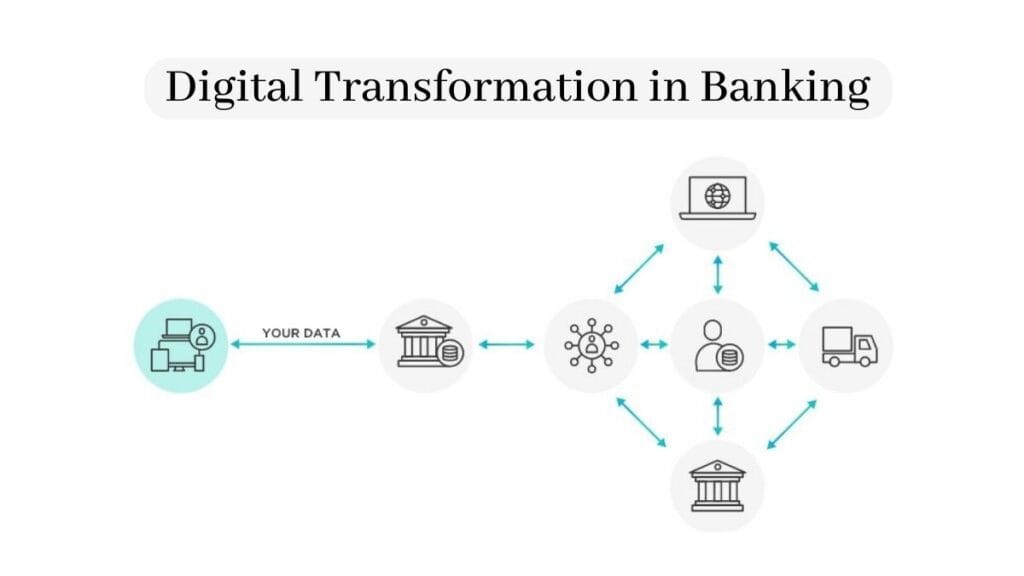
Image Source: tibco.com
- Personalized Customer Experience: Banks are leveraging data analytics and artificial intelligence to gain insights into customer behavior and preferences. By analyzing customer data, banks can offer personalized product recommendations, tailored offers, and customized services, enhancing the overall customer experience and building stronger relationships.
- Enhanced Security Measures: With the increasing prevalence of cybersecurity threats, banks are investing heavily in advanced security technologies. These include biometric authentication, multi-factor authentication, and encryption techniques to protect customer data and ensure secure transactions. Digital transformation focuses on strengthening security measures to build trust and instill confidence in customers.
- Automation and AI-powered Solutions: Robotic process automation (RPA) and artificial intelligence (AI) are being adopted by banks to automate routine tasks, streamline processes, and improve operational efficiency. Chatbots and virtual assistants are becoming commonplace, providing customers with instant support and assistance. AI-powered algorithms are also being utilized for fraud detection and risk management, enabling banks to proactively identify and mitigate potential threats.
Section 3: Benefits and Implications of Fintech and Digital Transformation
The integration of fintech innovations and digital transformation in banking brings forth numerous benefits and implications for both customers and financial institutions:

Image Source: worldbank.scene7.com and s.yimg.com
- Greater Convenience and Accessibility: Fintech innovations and digital transformation have made banking services more accessible to a wider population. Customers can now perform banking activities on their smartphones or computers, eliminating the need for physical branch visits. This convenience extends to individuals in remote areas or underserved communities, who can now access financial services and products more easily.
- Improved Efficiency and Cost Reduction: Digital transformation enables banks to streamline processes, automate repetitive tasks, and reduce operational costs. This efficiency translates into faster transaction processing, reduced paperwork, and improved turnaround times for services. These cost savings can be passed on to customers through lower fees, competitive interest rates, and improved product offerings.
- Enhanced Financial Inclusion: Fintech innovations have the potential to bridge the gap in financial inclusion by providing services to the unbanked and underbanked populations. Mobile banking and digital payment solutions offer simple and affordable ways to manage finances, transfer money, and access basic banking services. This increased accessibility can empower individuals and businesses, contributing to economic growth and development.
- Evolving Skills and Workforce Requirements: The adoption of fintech and digital transformation in banking necessitates a shift in skills and workforce requirements. Banks are increasingly seeking professionals with expertise in data analytics, cybersecurity, AI, and digital marketing. Similarly, employees need to adapt and upskill to leverage new technologies effectively and embrace the changing dynamics of the industry.
Conclusion:
The future of banking lies in the fusion of fintech innovations and digital transformation. As technology continues to evolve, the banking industry will witness enhanced customer experiences, improved operational efficiency, and greater financial inclusion. Fintech innovations like mobile banking, digital payments, and online lending are reshaping the way we conduct financial transactions, while digital transformation is revolutionizing banking operations and security measures. Embracing these advancements will not only benefit customers with greater convenience and accessibility but also enable financial institutions to stay competitive in an increasingly digital world. The future of banking is undoubtedly characterized by fintech and digital transformation, paving the way for a more connected and technologically advanced banking ecosystem.
Also read The Role of Ethics in Finance: Promoting Responsible Investment Practices
Q1. What is the future of the digital transformation in the banking sector?
The future of digital transformation in the banking sector holds immense potential, with continued advancements in technology driving increased automation, personalized experiences, and seamless integration of digital services. It will reshape customer interactions, enhance operational efficiency, and foster innovation in financial products and services.
Q2. How will fintech change the future of banking?
Fintech will revolutionize banking by leveraging technology to provide seamless, user-friendly digital banking experiences and innovative financial services, ultimately enhancing efficiency and accessibility for customers. It will also disrupt traditional banking models, fostering competition and driving the industry towards more personalized, efficient, and inclusive financial solutions.
Q3. How digital transformation is changing the banking industry?
Digital transformation is revolutionizing the banking industry by enhancing customer experiences, streamlining operations, and introducing innovative services, resulting in greater convenience and accessibility for users.
Q4. What is the impact of digital transformation?
The impact of digital transformation is significant, revolutionizing industries, improving operational efficiency, and enabling new business models by leveraging technology advancements and fostering innovation. It empowers organizations to streamline processes, enhance customer experiences, and adapt to the evolving digital landscape for sustainable growth.
Q5. What are the advantages of digital transformation in banking?
Advantages of digital transformation in banking include improved convenience and accessibility for customers, streamlined operations, enhanced security, and the ability to offer innovative products and services.

Pranjal Nath is a versatile content writer with a passion for exploring and writing about various topics. With expertise in finance, education, science, sports, and travel, he creates engaging and informative content for readers. Through his writing, Pranjal aims to educate and inspire his audience to learn and experience new things.