Revolutionizing Energy: Jio Financial Services Aims to Offer Affordable Green Hydrogen as a Sustainable Fuel Alternative
Jio Financial Services

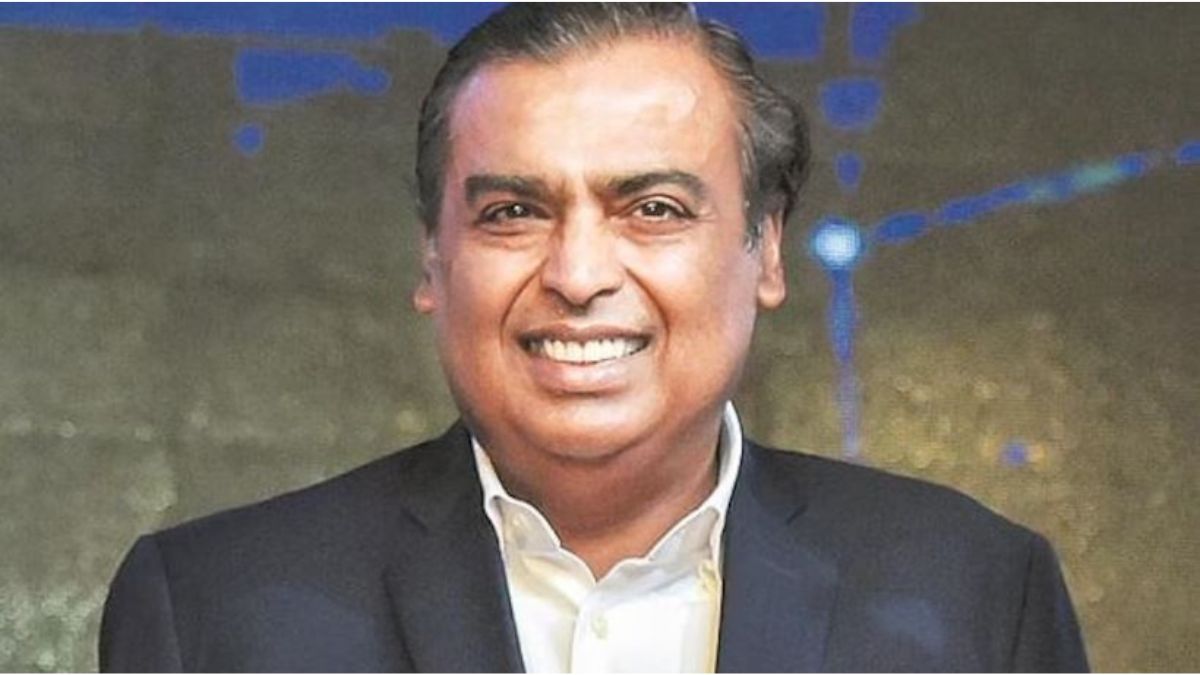
Introduction: Mukesh Ambani, the visionary leader of Reliance Industries, has outlined an ambitious goal to provide affordable green hydrogen as a viable and sustainable alternative to traditional fossil fuels. With Jio Financial Services spearheading this mission, the potential for significant advancements in the energy sector is within reach. Let’s delve into the details of this transformative endeavor and its implications for a greener and more sustainable future. Pioneering the Green Hydrogen Revolution: Green hydrogen, produced through renewable energy sources like solar and wind, holds the key to a clean energy transition. Mukesh Ambani’s vision to offer affordable green hydrogen aligns perfectly with global efforts to combat climate change and reduce carbon emissions. By leveraging the vast renewable energy capabilities of the Reliance Group, Jio Financial Services is poised to play a pivotal role in the green hydrogen revolution. Advantages of Green Hydrogen: The shift to green hydrogen offers several advantages over conventional fuels. Not only does it produce zero greenhouse gas emissions when used as fuel, but it also has the potential to decarbonize various sectors, including transportation, power generation, and industrial processes. The availability of affordable green hydrogen can significantly accelerate the transition to a carbon-neutral economy. Image Source: worldbank.org Jio Financial Services’ Simple Solutions: As a subsidiary of Reliance Industries, Jio Financial Services is uniquely positioned to provide simple and accessible solutions to foster the adoption of green hydrogen. By leveraging its extensive digital infrastructure and nationwide presence, Jio Financial Services can facilitate seamless transactions and distribution of green hydrogen to consumers and industries alike. Green Hydrogen for a Sustainable Future: The push towards green hydrogen aligns with India’s commitment to the Paris Agreement and sustainable development goals. As a renewable and abundant resource, green hydrogen can enhance energy security, reduce dependence on imported fuels, and create new opportunities for clean and sustainable economic growth. Collaborative Approach and Market Dynamics: Realizing the vision of affordable green hydrogen requires a collaborative approach involving the government, private sector, and research institutions. Partnerships with global leaders in hydrogen technology and infrastructure development can further bolster the growth of the green hydrogen ecosystem in India. Market dynamics and innovative financial models will play a crucial role in making green hydrogen competitive with traditional fuels. Reliance Industries to Provide Affordable Green Hydrogen as an Alternative to Traditional Fuels Reliance Industries Limited (RIL) has announced its plans to provide affordable green hydrogen as an alternative to traditional fuels. The company’s chairman, Mukesh Ambani, made the announcement in the company’s annual report for FY23. Green hydrogen is produced by using renewable energy to split water into hydrogen and oxygen. It is a clean, emissions-free fuel that has the potential to decarbonize a wide range of industries. Image Source: news18.com RIL is targeting to produce green hydrogen at a cost of $1 per kilogram by 2030. This would make it competitive with fossil fuels, and could help to accelerate the transition to a clean energy future. Ambani said that RIL would be investing in the development of green hydrogen production facilities across India. The company would also be working with other stakeholders to create a “hydrogen ecosystem” in the country. “Our goal is to provide affordable green hydrogen as an alternative to traditional fuels,” Ambani said. “This will help to reduce our dependence on fossil fuels and make India a leader in the global hydrogen economy.” In addition to providing green hydrogen, RIL is also planning to offer simple financial solutions to help consumers and businesses adopt the new fuel. The company’s Jio Financial Services arm will offer loans and other financial products to help customers purchase green hydrogen-powered vehicles and equipment. Ambani said that RIL was committed to making green hydrogen a “viable and affordable” option for everyone. “We believe that green hydrogen has the potential to transform the global energy landscape,” he said. “And we are determined to play a leading role in this transformation.” Here are some of the benefits of using green hydrogen: Image Source: fuelcellsworks.com The transition to green hydrogen will not be easy, but it is essential for India to achieve its climate goals. RIL’s announcement is a major step forward in this journey, and it is clear that the company is committed to making green hydrogen a reality. Conclusion: Mukesh Ambani’s ambitious vision to provide affordable green hydrogen through Jio Financial Services marks a significant milestone in India’s transition to a sustainable energy future. The adoption of green hydrogen as an alternative to traditional fuels has the potential to revolutionize the energy landscape, creating cleaner, greener, and more resilient communities. With the combined strength of innovation, technology, and collaboration, Jio Financial Services is set to pave the way for a brighter and more sustainable tomorrow. You can also read our previous article: SBI Lending the Way as the Largest Home Loan Lender – A Testament to Trust and Reliability


SBI: Leading the Way as the Largest Home Loan Lender – A Testament to Trust and Reliability

Home Loan Lender

Introduction (home loan lender): In a recent statement, Chairman Dinesh Khara proudly emphasized that the State Bank of India (SBI) has been, and will continue to be, the largest home loan lender in the country. With its unwavering commitment to providing affordable and accessible housing finance, SBI has been a significant enabler for countless individuals to realize their dream of owning a home. As the leading home loan lender, SBI’s focus on customer-centricity and innovative offerings has solidified its position as a trusted financial partner for prospective homeowners across India. SBI’s dominance in the home loan segment is a testament to its deep-rooted understanding of the diverse needs of borrowers and its ability to cater to a wide range of customer profiles. With an extensive network of branches and digital platforms, SBI has ensured that aspiring homeowners from both urban and rural areas can easily access home financing solutions. The bank’s competitive interest rates, flexible repayment options, and streamlined application processes have set it apart in the highly competitive home loan market. Image Source: livemint.com As the largest home loan lender, SBI has played a pivotal role in supporting the government’s vision of “Housing for All.” By offering subsidized interest rates under various affordable housing schemes, SBI has further boosted home ownership prospects for low and middle-income families. Its strategic tie-ups with real estate developers and innovative loan products have further reinforced its position as a preferred lender for homebuyers. A Legacy of Trust and Credibility (home loan lender): SBI’s journey as a home loan lender spans several decades, built on a foundation of trust and credibility. As one of the most reputed and esteemed financial institutions in India, SBI has always placed customer satisfaction at the forefront, offering competitive interest rates, transparent processes, and personalized solutions tailored to individual needs. Expanding Reach and Accessibility: SBI’s extensive network of branches and digital platforms has played a vital role in its success as a home loan lender. By reaching even the remotest corners of the country, SBI has made the dream of owning a home accessible to people from all walks of life. With customer-centric services and innovative digital solutions, the bank has simplified the home loan application process, making it hassle-free for aspiring homeowners. Image Source: gstatic.com Pioneering Financial Inclusion: Beyond its role as a lender, SBI has been a driving force in promoting financial inclusion. By offering home loans to diverse segments of society, including first-time buyers, low-income families, and those in rural areas, SBI has contributed significantly to reducing the housing gap and improving overall living standards. Flexibility and Diverse Offerings (home loan lender): Recognizing the unique requirements of homebuyers, SBI provides a wide range of home loan products. From conventional home loans to specialized offerings for affordable housing and balance transfer options, SBI ensures that customers have access to a comprehensive suite of financing choices, catering to their specific needs and preferences. Customer-Centric Approach: At the heart of SBI’s success as a home loan lender lies its customer-centric approach. The bank’s dedicated team of professionals works tirelessly to understand the financial goals and constraints of each applicant, providing tailor-made solutions that align with their aspirations. SBI’s commitment to customer satisfaction is evident in the positive reviews and testimonials from countless satisfied borrowers. Image Source: moneycontrol.com Conclusion: SBI’s achievement as the largest home loan lender is a remarkable feat, reflecting its commitment to empowering the nation through homeownership. With a legacy of trust, a vast network, and customer-centricity at its core, SBI continues to lead the way in making the dream of owning a home a reality for millions of Indians. As the bank strives to improve and innovate further, its legacy as a home loan leader remains an inspiring example of success and integrity in the financial sector. You can read also- Path to the Summit: NTT Data Payments Services on a Mission for Acquisitions and Success

Path to the Summit: NTT Data Payments Services on a Mission for Acquisitions and Success

NTT Data Payments Services

Introduction: NTT Data Payments Services, a considerable player in the fintech scene, is focusing on turning into a predominant power in the business. With aggressive development plans and a sharp eye on essential acquisitions, the organization is ready to reform the installments area. In this article, we dig into NTT Data Payments Services’ excursion, its vision for the future, and the effect of its securing methodology on the installment environment. Image Source: nttdata.com A Brief Look into NTT Data Payments Services: As a main supplier of state-of-the-art installment arrangements, NTT Data Payments Services has reliably conveyed imaginative and secure administrations to its clients. With a solid history of greatness, the organization has procured the trust of organizations and customers the same, pursuing it as a favored decision for consistent and effective installment encounters. Vision and Ambitions: NTT Data Payments Services’ vision goes beyond merely providing payment services; it aims to redefine the payment landscape and create a lasting impact on the global financial ecosystem. By utilizing cutting-edge innovations and cultivating coordinated efforts, the organization is focused on engaging organizations, driving monetary incorporation, and upgrading client encounters. Strategic Acquisitions: Uniting Strengths, Unlocking Potential: Recognizing the potential of inorganic growth, NTT Data Payments Services has been actively pursuing strategic acquisitions in recent times. By uniting reciprocal skills and assets, these acquisitions have empowered the organization to extend its contributions, fortify its market presence, and tap into new learning experiences. Cultivating Advancement and Flexibility: Through its essential acquisitions, NTT Data Payments Services is bracing its situation as a dynamic and coordinated player in the installments space. By supporting a culture of development and flexibility, the organization is better prepared to adjust to changing business sector elements, remain on the ball, and lead the way in molding the fate of computerized installments. Propelling the Installments Scene: As NTT Data Payments Services moves forward in its development direction, its tenacious quest for greatness can upset the installment business. From empowering secure exchanges to driving monetary strengthening, the organization’s undertakings are lined up with the more extensive objective of propelling the installment scene and adding to financial development. NTT Data Payments Services Eyes Top Slot, Scouting More Acquisitions NTT Data Payments Services, a leading payments solutions provider in India, is eyeing the top slot in the market. The organization, which has a yearly exchange worth of Rs 150,000 crore and a volume of north of 10 crore exchanges, is at present among the best 10 players in the country. To achieve its goal of becoming the top player, NTT Data Payments Services is scouting for more acquisitions. The organization has previously made various acquisitions as of late, including Particle Advancements and EBS Retail Installments. These acquisitions have assisted the organization with growing its range and abilities. Image Source: etb2bimg.com Notwithstanding acquisitions, NTT Data Payments Services is additionally putting resources into its development. The organization is at present putting resources into its innovation stage and its advertising and deals capacities. The organization is likewise hoping to venture into new business sectors, for example, Bharat Bill Installment Working Unit (BBPU). Rahul Jain, the CFO of NTT Data Payments Services, said that the organization is sure of accomplishing its objective of turning into the top player on the lookout. “We have areas of strength for a record of development and we are strategically set up to keep on filling from now on,” he said. “We are additionally dedicated to putting resources into our business and we accept that this will assist us with accomplishing our objectives.” The installment business in India is developing quickly. The worth of computerized installments in India is supposed to reach $1 trillion by 2025. This development is being driven by various variables, including the rising reception of cell phones and the development of Internet business. NTT Data Payments Services is strategically set up to gain from this development. The organization has areas of strength for many items and administrations, and a huge client base. The organization is likewise supported by the assets of its parent organization, NTT Data, one of the biggest IT organizations on the planet. With its forceful development methodology, NTT Data Payments Services is strategically set up to turn into the top player in the Indian installments market. Image Source: indiatimes.com Conclusion: NTT Data Payments Services’ immovable obligation to greatness and its essential spotlight on acquisitions are demonstrations of its vision of turning into a leader in the installments space. By outfitting the influence of innovation, cooperation, and advancement, the organization is ready to reclassify how installments are directed, enhancing the existence of organizations and buyers the same. As NTT Data Payments Services keeps on scaling new levels, the monetary world enthusiastically anticipates the effect of its groundbreaking drives on the worldwide installments scene. You can read also- NBFCs: Fortifying Buffers for the Soaring Unsecured Book

NBFCs: Fortifying Buffers for the Soaring Unsecured Book

NBFCs

Introduction: Non-Banking Financial Companies (NBFCs) play a crucial role in India’s financial landscape, providing essential credit services to millions of individuals and businesses. However, the surge in the unsecured book of NBFCs has raised concerns among regulators and stakeholders alike. In this article, we’ll delve into the implications of a rapidly growing unsecured book for NBFCs, the need for stronger buffers, and potential strategies to navigate this challenging landscape. Image Source: amazonaws.com Understanding the Unsecured Book of NBFCs The unsecured book of NBFCs refers to loans and credit extended without any collateral. While unsecured loans offer greater accessibility to borrowers, they also come with higher risks for lenders. We’ll explore the various types of unsecured loans and their impact on the financial health of NBFCs. Evaluating Risks and Vulnerabilities With the increasing demand for unsecured credit, Non-Banking financial Companies face heightened risks of default and asset quality deterioration. We’ll analyze the potential vulnerabilities in the sector and the importance of maintaining adequate capital and provisions to mitigate these risks. Strengthening Buffers and Risk Management Practices To safeguard their stability and resilience, NBFCs need to strengthen their buffers and implement robust risk management practices. This includes maintaining sufficient capital adequacy, conducting stress tests, and developing contingency plans to address adverse scenarios. Regulatory Measures and Best Practices Regulators have been closely monitoring the unsecured book growth at NBFCs and have taken several measures to ensure prudential norms and transparency. We’ll examine the regulatory initiatives in place and explore best practices adopted by leading NBFCs to manage risk effectively. Diversification and Innovation in Lending As the demand for unsecured credit persists, Non-Banking Financial Companies can explore opportunities for diversification and innovation in lending. We’ll discuss the potential of adopting technology-driven lending models, credit scoring algorithms, and inclusive finance strategies to reach underserved segments. The Soaring Unsecured Book Needs More Buffers at NBFCs Image Source: etimg.com The non-banking financial companies (NBFCs) in India have seen a sharp rise in unsecured lending in recent years. This is due to several factors, including the rising demand for credit from consumers, the increasing availability of data analytics tools, and the relaxation of lending norms by the Reserve Bank of India (RBI). While the rise in unsecured lending has been beneficial for consumers, it has also increased the risks for Non-Banking Financial Companies. Unsecured loans are more likely to default than secured loans, and may not have enough assets to cover their losses if a large number of borrowers default. To mitigate these risks, NBFCs need to build up their capital buffers. Capital buffers are the amount of equity that NBFCs have set aside to cover potential losses. A higher capital buffer means that Non-Banking Financial Companies are better able to withstand shocks to their balance sheets, such as a large number of defaults. In a recent report, rating agency India Ratings (Ind-Ra) called on NBFCs to build up their capital buffers. Ind-Ra noted that the unsecured proportion of the loan book of Non-Banking Financial Companies has been rising, and this trend is likely to continue. As a result, Non-Banking financial companies need to hold higher capital buffers to absorb credit losses. Ind-Ra also recommended that Non-Banking Financial Companies focus on lending to borrowers with good credit histories. This will help to reduce the risk of defaults. Additionally, Non-Banking Financial Companies should use data analytics tools to better assess the creditworthiness of borrowers. The rising number of unsecured books is a challenge for Non-Banking Financial Companies, but it is not an insurmountable one. By building up their capital buffers and focusing on lending to borrowers with good credit histories, Non-Banking Financial Companies can mitigate the risks associated with unsecured lending and continue to grow their businesses. Conclusion: As Non-Banking Financial Companies navigate the challenges posed by the soaring unsecured book, they must strike a balance between growth and risk management. By adopting prudent lending practices, fortifying their buffers, and adhering to regulatory guidelines, NBFCs can fortify their position in the financial ecosystem. Additionally, embracing technological advancements and fostering financial inclusion can create a more sustainable and resilient future for the NBFC sector. Read Also: Bank lending up 16.3% in June: Indians in the mood to buy, drive credit growth

Bank lending up 16.3% in June: Indians in the mood to buy, drive credit growth

Bank lending

Introduction: In a notable development, bank lending in India recorded a significant upswing of 16.3% in June, indicating a surge in the demand for credit. This remarkable growth is a strong indication of Indians’ increasing confidence in the economy’s revival and their willingness to invest in various sectors. As the country continues to recover from the pandemic’s impact, the rise in credit growth plays a pivotal role in stimulating economic activities and bolstering financial stability. In this article, we delve into the factors behind this surge in lending and how Indians’ optimism is driving credit growth across the nation. Image Source: livemint.com Indians in the Mood to Buy, Drive Bank Lending Growth Image Source: indiatimes.com Bank lending in India grew by 16.3% in June, the highest in over two years. This was driven by strong demand for credit from businesses and consumers. The Reserve Bank of India (RBI) said that the growth in bank lending was broad-based, with all sectors registering an increase. The highest growth was seen in the personal loans segment, which grew by 22.4%. The RBI attributed the growth in bank lending to a number of factors, including the improving economic outlook, the low-interest rates, and the government’s stimulus measures. The central bank said that it expects bank lending to continue to grow in the coming months, supported by the ongoing economic recovery. What’s Driving the Growth in Bank Lending? Image Source: etimg.com There are a number of factors that are driving the growth in bank lending in India. These include: The improving economic outlook: The Indian economy is expected to grow by 7.5% in 2023-24, which is the fastest pace in eight years. This is providing businesses with the confidence to invest and expand, which is leading to increased demand for credit. Low-interest rates: The RBI has kept interest rates at a record low of 4% since May 2020. This has made it more affordable for businesses and consumers to borrow money, which has boosted demand for credit.Government stimulus measures: The government has announced a number of stimulus measures in recent months, including a cut in corporate tax rates and an increase in infrastructure spending. These measures are also providing a boost to the economy, which is leading to increased demand for credit. What Does the Future Hold for Bank Lending? Image Source: newindianexpress.com The RBI expects bank lending to continue to grow in the coming months, supported by the ongoing economic recovery. However, there are some risks to the outlook, including: A slowdown in global growth: The global economy is facing a number of headwinds, including the trade war between the United States and China. This could lead to a slowdown in global growth, which would have a negative impact on the Indian economy and demand for credit.A tightening of monetary policy: The RBI may need to tighten monetary policy in the future to prevent inflation from rising too high. This could lead to higher interest rates, which would dampen demand for credit.Overall, the outlook for bank lending in India is positive. However, there are some risks to the outlook, which could weigh on growth in the coming months. What Does This Mean for You? If you are looking to borrow money, the current environment is favorable. Interest rates are low and demand for credit is strong. This means that you may be able to get a good deal on a loan. Conclusion: The substantial 16.3% surge in bank lending in June stands as a testament to the resilience of the Indian economy and its potential for recovery. With consumers embracing buying and businesses seeking credit to expand, credit growth signals a promising trajectory for economic growth. As long as the momentum continues and supportive policies remain in place, the Indian economy is poised for a sustained and robust recovery, with credit playing a crucial role in driving progress. However, it is essential to maintain prudent lending practices to ensure the stability and sustainability of this credit-fueled growth in the long run. Read our previous article- Revolutionizing Financial Inclusion: Exploring Banking Presence and PM Modi’s Vision for Empowered Growth

Revolutionizing Financial Inclusion: Exploring Banking Presence and PM Modi’s Vision for Empowered Growth

Banking Presence

Introduction: In the quickly developing scene of the Indian economy, the presence of banking foundations and monetary consideration endeavors have become fundamental. This article digs into the basic parts of banking presence and the extraordinary endeavors started by Top state leader Narendra Modi towards monetary incorporation. Understanding these undertakings is vital as they assume a significant part in molding the financial success of our country. Image Source: etimg.com In India, there has been a well-established issue of monetary prohibition. This implies that many individuals, especially those in rustic regions, don’t approach essential monetary administrations, for example, financial balances, credit, and protection.As of late, the Indian government has put forth huge attempts to resolve this issue. Perhaps the main drive has been the Pradhan Mantri Jan Dhan Yojana (PMJDY), or State leader Kin’s Abundance Plan. Under this plan, the public authority has opened north of 400 million financial balances for individuals who recently didn’t approach formal financial administrations. The PMJDY has been significant progress in expanding its banking presence in India. In any case, there are still provokes that should be addressed to accomplish full monetary consideration. Banking Presence: The backbone of any thriving economy lies in its robust banking system. The presence of well-established banks, both in urban and rural areas, not only fosters economic growth but also strengthens financial stability. Image Source: moneycontrol.com This comprehensive study aims to analyze the geographical spread and accessibility of banking services across the nation. With an emphasis on increasing banking presence penetration in underserved regions, initiatives have been undertaken to bring unbanked populations into the formal banking fold. PM Modi’s Financial Inclusion Efforts: Image Source: deccanherald.com Financial inclusion has been one of the cornerstones of Prime Minister Narendra Modi’s vision for a progressive and equitable India. Through various schemes and programs, his government has diligently worked towards ensuring that every citizen has access to banking presence facilities, credit, and insurance services. By extending financial literacy and promoting digital banking solutions, PM Modi’s financial inclusion efforts have opened new avenues for economic empowerment. Empowering the Unbanked: In this period of mechanical progression, computerized monetary consideration has arisen as a distinct advantage. The Jan Dhan Yojana, Pradhan Mantri Jan Dhan Yojana (PMJDY), has been an extraordinary drive in carrying a large number of unbanked people into the proper financial framework. Image Source: empowch.com With an emphasis on straightforward records, the plan has worked with simple admittance to banking presence administrations, empowering reserve funds and empowering direct advantage moves to the oppressed. Creating Opportunities for the Marginalized: Image Source: thriveglobal.com One of the essential objectives of monetary consideration is to inspire the underestimated areas of society. PM Modi’s endeavors in elevating credit openness to ladies’ business visionaries, private companies, and ranchers have worked with monetary advancement and decreased pay aberrations. By encouraging business and supporting the rural area, monetary consideration has turned into an impetus for comprehensive development. Harnessing the Power of Technology: In the digital age, technology plays a pivotal role in bridging the gap between the banked and the unbanked. The use of Aadhaar-enabled payment systems, mobile banking, and online transactions has revolutionized the way financial services are accessed, even in remote areas. Image Source: pcdn.co Such technological innovations have propelled financial inclusion to new heights and are central to PM Modi’s vision of a digitally empowered India. Conclusion: As the nation strides towards economic progress, ensuring banking presence and comprehensive financial inclusion remains paramount. PM Modi’s visionary efforts have not only empowered millions but also laid a strong foundation for a financially inclusive India. By harnessing the power of technology and fostering financial literacy, the path to economic prosperity becomes smoother and more accessible for all. As we continue to enhance banking presence services and uplift the underserved, we pave the way for an inclusive future where every citizen can participate in and benefit from the nation’s growth story. The government’s efforts to increase banking presence and financial inclusion have been successful in many ways. However, there are still challenges that need to be addressed to achieve full financial inclusion. The government needs to continue to work to increase the physical infrastructure and financial literacy in rural areas. Read This: Accelerating Growth: ‘Rupee Vostro Accounts’ 4 More Foreign Lenders Approach Uco Bank for Opening Special Accounts

Accelerating Growth: ‘Rupee Vostro Accounts’ 4 More Foreign Lenders Approach Uco Bank for Opening Special Accounts

Rupee Vostro Accounts

Introduction: In a notable development for India’s banking sector, Uco Bank, a leading public sector bank, has garnered significant attention from four more foreign lenders seeking to establish special Rupee Vostro Accounts. This recent influx of interest showcases the growing confidence and attractiveness of the Indian market for international financial institutions. As the Indian economy continues to flourish and open to global opportunities, initiating these special accounts can be a game-changer, facilitating smoother cross-border transactions and fostering greater financial inclusivity. Understanding Rupee Vostro Accounts: Image Source: moneycontrol.com A Vostro Account is a foreign bank’s account held in a domestic bank, and Rupee Vostro Accounts specifically pertain to Indian Rupee-denominated accounts maintained by foreign banks with Indian banks. The objective of these accounts is to streamline foreign transactions and facilitate trade, enabling foreign banks to access the Indian financial system and offer seamless services to their clients operating in India. Growing Interest from International Banks:The interest shown by four additional foreign lenders to establish special Rupee Vostro Accounts with Uco Bank underscores the trust and confidence placed in India’s economic prospects. The nation’s stable economic policies, improved ease of doing business, and emerging market potential have captivated the attention of global players seeking to tap into India’s vast consumer base and vibrant business environment. Strengthening India’s Financial Integration:The introduction of these special accounts will bolster India’s financial integration with the global economy. Foreign lenders’ ability to conduct transactions in Indian Rupees without depending on correspondent banks will enhance efficiency and reduce transaction costs, thereby encouraging more international players to engage in cross-border activities with India. Moreover, this move aligns with the Reserve Bank of India’s (RBI) vision to promote financial inclusion and facilitate cross-border trade by simplifying foreign exchange regulations. Fostering Economic Growth and Investment:As India continues to showcase robust economic growth, the involvement of foreign lenders through special Rupee Vostro Accounts will contribute significantly to the nation’s growth trajectory. The seamless movement of funds and financial services will stimulate foreign investment, attract foreign direct investments (FDIs), and catalyze the expansion of various sectors across the Indian economy. By promoting ease of doing business, these accounts can create a conducive environment for foreign investors to explore untapped opportunities and make sustainable investments in the country. Four More Foreign Lenders Approach Uco Bank for Opening Special Rupee Vostro Accounts Uco Bank, a state-possessed bank in India, has gotten demands from four additional unfamiliar moneylenders to open extraordinary Rupee Vostro Accounts. These records permit unfamiliar banks to hold rupees in India, which can be utilized to work with exchange among India and their nations of origin. Image Source: thgim.com Rupee Vostro Accounts are a generally new item in India, and Uco Bank is one of the main banks in the nation offering this help. The bank has proactively opened four unique Rupee Vostro Accounts with Russian banks, and it has gotten administrative endorsement to open eight additional records. The premium in unique Rupee Vostro Accounts from unfamiliar moneylenders is an indication of the developing significance of the Indian rupee in the worldwide economy. The rupee is presently the world’s tenth most exchanged cash, and it is turning out to be progressively well known as a repayment money for exchange among India and different nations. The kickoff of extraordinary Rupee Vostro Accounts will make it simpler for unfamiliar organizations to exchange with India in rupees. This will assist with decreasing the gamble of money vacillations and make it more proficient for organizations to lead cross-line exchange. What is a Rupee Vostro Account? A Rupee Vostro Account is an exceptional sort of ledger that is held by an unfamiliar bank in India. The record is designated in rupees, and it permits the unfamiliar bank to hold rupees in India for the reasons for exchange or venture. Rupee Vostro Records are a moderately new item in India, and they were first presented in 2018. The Save Bank of India (RBI) has since given rules on the opening and activity of Rupee Vostro Records. Image Source: adda247.com There are various advantages to opening a Rupee Vostro Account. As far as one might be concerned, it permits unfamiliar banks to hold rupees in India without setting up an undeniable branch in the country. This can save the unfamiliar bank a lot of cash. What’s more, Rupee Vostro Account can assist with working with exchange among India and the nation of origin of the unfamiliar bank. This is on the grounds that the unfamiliar bank can involve the rupees in the record to pay for labor and products from India. At long last, Rupee Vostro Account can likewise be utilized to put resources into India. For instance, an unfamiliar bank could involve the rupees in the record to purchase Indian government bonds or offers in Indian organizations. Conclusion: The growing interest from four more foreign lenders to establish special Rupee Vostro Accounts with Uco Bank signifies a pivotal moment in India’s financial landscape. As these accounts gain momentum, India’s integration with the global financial ecosystem will deepen, fostering economic growth and amplifying investment opportunities. The collaboration between Indian and international financial institutions through these accounts is a testament to India’s promising economic prospects and its potential as a thriving hub for international business. By offering a streamlined and efficient channel for cross-border transactions, special Rupee Vostro Accounts are poised to play a significant role in India’s journey toward becoming a global economic powerhouse. Read also: Deutsche Bank Overcomes Profit Drop, Cost Hike Despite 27% Drop in Profit, Jump in Costs

Deutsche Bank Overcomes Profit Drop, Cost Hike Despite 27% Drop in Profit, Jump in Costs

Deutsche Bank

Introduction: In the steadily developing scene of the monetary world, Deutsche Bank remains as a conspicuous player with a worldwide reach. The bank’s new exhibition has caught the consideration of financial backers and experts the same, as it figured out how to surpass market assumptions regardless of confronting huge difficulties. Regardless of a 27% drop in benefit and a striking flood in costs, D Bank’s versatility and key measures have made an imprint of positive thinking on the monetary scene. As one of the biggest and most compelling banks on the planet, Deutsche Bank’s exhibition holds a critical influence over the worldwide monetary environment. Financial backers enthusiastically anticipate its monetary reports, and the most recent numbers have been both amazing and captivating. Once more in the midst of a dynamic and erratic monetary climate, Deutsche Bank has shown its capacity to explore difficult situations. In spite of confronting a 27% decrease in benefit, the bank figured out how to dominate market assumptions, leaving monetary specialists charmed by its presentation. The 27% drop in benefit, while prominent, doesn’t recount the entire story. Digging further, it becomes clear that the bank’s essential choices and hazard the board assumed a vital part in relieving misfortunes. As the world keeps on wrestling with the waiting effects of the pandemic and financial vulnerabilities, D Bank’s flexibility is a demonstration of its versatility.The monetary outcomes likewise shed light on the ascent in costs looked by the bank. In the same way as other monetary establishments, Deutsche Bank experienced expanded working costs, moving its capacity to keep up with benefit. However, the bank’s management remained proactive in addressing these concerns, working towards optimizing costs and driving efficiency. One of the critical focus points from D Bank’s exhibition is its obligation to ceaseless improvement and advancement. By embracing innovation and modernizing its tasks, the bank has situated itself for supported development in a steadily changing monetary scene. Image Source: reuters.com Moreover, Deutsche Bank’s worldwide presence has permitted it to use open doors in different business sectors and gain by arising patterns. This broadened approach has been urgent in balancing difficulties and lessening dependence on a solitary market.The certainty showed by financial backers following the bank’s exhibition features the trust they place in Deutsche Bank’s abilities. As the financial world evolves, this trust becomes an indispensable asset, propelling the bank forward amidst uncertainties. Deutsche Bank’s excursion towards progress isn’t without its portion of difficulties. The unpredictable idea of the monetary business requests consistent carefulness and versatility. Be that as it may, Deutsche Bank’s obligation to straightforward correspondence and chance administration has ingrained a feeling of confirmation among partners. Deutsche Bank Beats Expectations Despite 27% Drop in Profit, Jump in Costs Frankfurt, Germany – Deutsche Bank revealed a 27% drop in benefit for the second quarter of 2023, yet at the same time beat experts’ assumptions. The bank’s net advantage inferable from financial backers was 763 million euros ($842 million), down from 1.046 billion euros a year sooner. Notwithstanding, the bank’s income rose 11% year-on-year to 7.4 billion euros, driven areas of strength for by in its retail and corporate financial organizations. The venture banking division likewise saw a slight improvement, with income down 11% from a year sooner. Image Source: read.ft.com The cost of continuing with work for Deutsche Bank also rose, up 15% year-on-year to 5.6 billion euros. This was because of various variables, including higher remuneration costs and expanded spending on innovation. Notwithstanding the benefit decline, Deutsche Bank’s President, Christian Sewing, said that he was “satisfied with the outcomes” and that the bank was “on target to accomplish our entire year targets.” He additionally said that the bank was “gaining great headway” in its change plan, which is pointed toward lessening costs and further developing productivity. The eventual fate of Deutsche Bank stays unsure, however the bank’s new outcomes propose that it is in good shape. In the event that the bank can keep on working on its productivity, it will be strategically situated to climate the difficulties confronting the worldwide monetary industry. Key focus points: Image Source: img.rasset.ie In conclusion, Deutsche Bank’s most recent monetary outcomes act as a wake up call of the versatility and flexibility expected to flourish in the consistently changing monetary scene. Image Source: cnbcfm.com The 27% drop in benefit and the flood in costs exhibit the difficulties looked by the bank, yet its capacity to dominate market assumptions says a lot about its essential vision and capacity to explore vulnerabilities. As Deutsche Bank proceeds to advance and improve, its effect on the worldwide monetary environment stays critical. Read also: Centre devolves Rs 3.09 lakh cr to states till July

Centre Devolves Rs 3.09 Lakh Crore to States Till July: Empowering States for Growth and Development

Rs 3.09 Lakh Crore

Introduction: In a critical move towards financial federalism, the Middle has made an excellent stride by regressing Rs 3.09 lakh crore to states until July. This monetary strengthening makes it ready for states to diagram their way toward development and advancement. We should dig into the significance of this devolution and its effect on state economies.In an unfaltering show of helpful federalism and obligation to fair turn of events, the Middle has embraced a pivotal drive by regressing Rs 3.09 lakh crore to states until July. This milestone step mirrors the public authority’s vision to engage states with more prominent monetary independence and dynamic power, empowering them to take special care of their extraordinary formative requirements and desires. The course of devolution holds central significance in the domain of administration, as it makes way for cultivating a powerful government structure, where both the Middle and states cooperatively pursue the country’s advancement. Image Source: thgim.com Financial decentralization, as Center devolution, involves the exchange of assets, obligations, and authority from the focal government to state legislatures. This move component essentially influences the monetary scene of states, furnishing them with a more significant portion of focal incomes, which, thusly, pushes their ability to embrace groundbreaking undertakings and elevate the existences of their residents. By embracing this cooperative way to deal with administration, the public authority reaffirms its obligation to helpful federalism, encouraging a strong connection between the Middle and states in strategy plans and asset the executives. As states accept their portion of the focal pie, they are given the resources to help modern development, further develop availability, and put resources into fundamental areas that add to the general financial prosperity of the country. The devolution of assets fills in as an impetus for upgrading local seriousness, as states take part in sound rivalry to draw in ventures and encourage a climate helpful for business development and occupation creation. Influence on State Economies: Image Source: imf.org Centre Devolves Rs 3.09 Lakh Crore to States Till July Image Source: ndtvimg.com The Middle has degenerated Rs 3.09 lakh crore to states till July, out of the Rs 10.21 lakh crore planned to be moved in the ongoing monetary year. This is by the proposals of the Fifteenth Money Commission, which has distributed 41% of the pool of the Center’s distinguishable duty to the states. The devolution of resources for the states is huge because of multiple factors. To begin with, it assists with guaranteeing that the states have the assets they need to offer fundamental types of assistance to their residents. Second, it assists with advancing financial discipline by guaranteeing that the states are responsible for their spending. Third, it assists with lessening provincial aberrations by guaranteeing that all states approach similar degrees of assets. The devolution of assets to the states has been invited by state legislatures. They have said that the assets will be utilized to further develop foundation, training, and medical care administrations. They have additionally said that the assets will assist with animating monetary development in the states. The Middle’s choice to decline Rs 3.09 lakh crore to states till July is a positive step. It will assist with guaranteeing that the states have the assets they need to address the issues of their residents. It will likewise assist with advancing financial discipline and decreasing territorial incongruities. The Centre Devolves Funds to States Image Source: business-standard.com The Middle has decayed Rs 3.09 lakh crore to states till July, out of the Rs 10.21 lakh crore planned to be moved in the ongoing financial year. This is by the proposals of the Fifteenth Money Commission, which has allotted 41% of the pool of the Center’s distinguishable assessment to the states. The devolution of resources for the states is huge in light of multiple factors. To start with, it assists with guaranteeing that the states have the assets they need to offer fundamental types of assistance to their residents. Second, it assists with advancing monetary discipline by guaranteeing that the states are responsible for their spending. Third, it assists with diminishing territorial variations by guaranteeing that all states approach similar degrees of assets. The devolution of assets to the states has been invited by state legislatures. They have said that the assets will be utilized to further develop framework, instruction, and medical care administrations. They have likewise said that the assets will assist with animating financial development in the states. The Middle’s choice to decline Rs 3.09 lakh crore to states till July is a positive step. It will assist with guaranteeing that the states have the assets they need to address the issues of their residents. It will likewise assist with advancing the financial discipline and lessen provincial incongruities. In conclusion, Centre devolves Rs 3.09 lakh crore to states till July, marking a pivotal chapter in India’s journey towards cooperative federalism and equitable progress. This monetary strengthening is something beyond a simple redistribution of assets; it is an encapsulation of the public authority’s obligation to sustain the country’s different yearnings and divert aggregate endeavors for the comprehensive turn of events. By embracing monetary decentralization, the Middle reaffirms its confidence in the intrinsic capability of states to be engineers of their predeterminations and designers of another India, where amazing open doors for development and success are shared by the whole gang. Through the course of devolution, we construct the groundworks of a more grounded, more lively, and joined India, where each state flourishes in its extraordinary varieties, adding to the rich embroidery of our country’s advancement. Read also: Bain Capital’s Bold Acquisition: Buying 90% Stake in Adani Capital and Adani Housing

Bain Capital’s Bold Acquisition: Buying 90% Stake in Adani Capital and Adani Housing

Bain Capital's

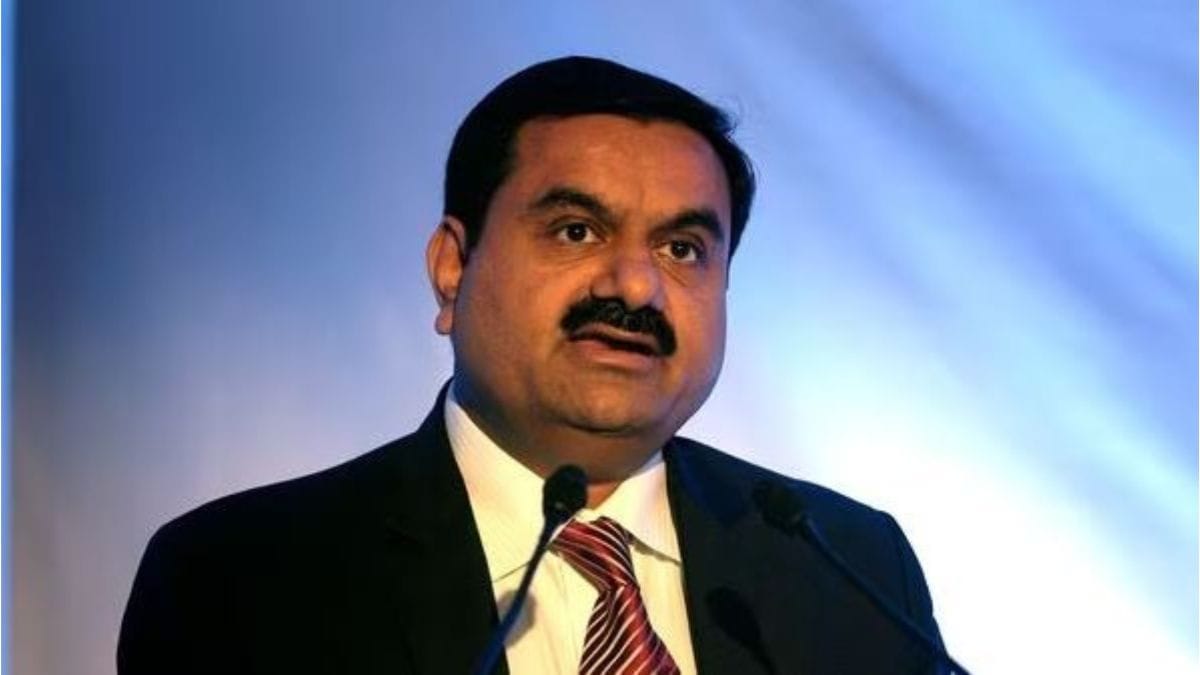
Introduction: Bain Capital’s Strategic Move: Set to Acquire 90% Stake in Adani Capital and Adani Housing, signaling a significant expansion in India’s financial landscape. In a significant development, global investment firm Bain Capital has set its sights on India’s financial landscape, aiming to acquire a substantial 90% stake in both Adani Capital and Adani Housing. The proposed acquisition comes as a testament to the growing confidence in the Indian economy and signals a strategic move by Bain Capital to strengthen its position in the market. As the financial world keeps a close eye on this potential deal, let’s delve into the implications and prospects of this acquisition. Image Source: assettype.com Investigating Bain Capital’s Development Methodology: With its worldwide skill and tremendous speculation portfolio, Bain Capital has been effectively looking for potential chances to extend its presence in developing business sectors. The move to acquire a majority stake in Adani Capital and Adani Housing aligns perfectly with Bain Capital’s strategic approach to leverage growth potential and capitalize on India’s booming financial and real estate sectors. The Adani Gathering’s Developing Monetary Arm: Adani Capital, an auxiliary of the Adani Gathering, has been consistently laying down a good foundation for itself as a noticeable player in the monetary administration area. The potential acquisition by Bain Capital highlights Adani Capital’s rising significance and indicates the growing attractiveness of India’s financial market for international investors. Exploring the Real Estate Angle: Alongside its potential stake in Adani Capital, Bain Capital’s also eyeing a significant share in Adani Housing. This move demonstrates the investment firm’s interest in India’s real estate market, which has shown resilience and promise despite the challenges posed by the global pandemic. The acquisition could potentially pave the way for greater involvement in India’s evolving housing landscape. Implications for the Indian Economy: The entry of Bain Capital with such a sizable investment could have a multi-faceted impact on India’s economy. The infusion of capital and expertise from a global player like Bain Capital could fuel financial and real estate sectors’ growth, boost confidence among investors, and further catalyze India’s economic resurgence. Regulatory Considerations: While the proposed deal seems promising, it is essential to acknowledge the regulatory considerations that such acquisitions entail. As per Indian regulations, Bain Capital’s acquisition process will require compliance with relevant financial and investment laws, including approvals from regulatory bodies, to ensure transparency and accountability. Bain Capital’s to Acquire 90% Stake in Adani Capital, Adani Housing Image Source: bizzbuzz.news Bain Capital, a worldwide confidential venture company, has declared that it has gone into a conclusive consent to get 90% of Adani Capital and Adani Lodging. The exchange, as most would consider to be normal to shut in the final quarter of 2023, will purchase out 100 percent of the Adani family’s confidential interests in the two organizations. Adani Capital is a non-banking monetary organization (NBFC) that gives credit to organizations and people. Adani Housing is a housing finance company that provides home loans to borrowers. The two organizations have a joined resource size of more than $1 billion. Bain Capital’s said that it plans to invest $120 million in Adani Capital to support its growth. The investment firm also said it would provide a liquidity line of $50 million to the company. Gaurav Gupta, the ongoing Chief and overseeing overseer of Adani Capital, will keep on driving the organization after the obtaining. Gupta said that the investment from Bain Capital will help Adani Capital to expand its lending operations and reach new customers. We are eager to cooperate with Bain Capital’s, a widely acclaimed trading company with a profound comprehension of the Indian market,” Gupta said in a proclamation. “This investment will help us to accelerate our growth and become a leading NBFC in India.” The procurement of Adani Capital and Adani Lodging is the most recent in a progression of ventures by Bain Capital in India. In recent years, the investment firm has invested in companies such as Piramal Enterprises, Shriram Transport Finance, and Max Financial Services. Image Source: equitypandit.com Bain Capital’s investment in Adani Capital is a sign of the confidence that global investors have in the Indian economy. The arrangement is likewise a lift for the Adani Gathering, which is quite possibly India’s biggest combination. Conclusion: Bain Capital’s move to acquire a substantial stake in Adani Capital and Adani Housing signifies a vote of confidence in India’s financial and real estate sectors. The potential deal, subject to regulatory approvals, could open new avenues for investment and collaboration, bringing a fresh wave of growth and development to the Indian economy. As the financial world waits eagerly for further updates, all eyes are on the transformative potential of this strategic move by Bain Capital. You can read also our previous article: The Opportunities of Following Financial Influencers