CRR Hike: RBI’s Initiative to Imminently Restore Absorbed Funds
CRR Hike

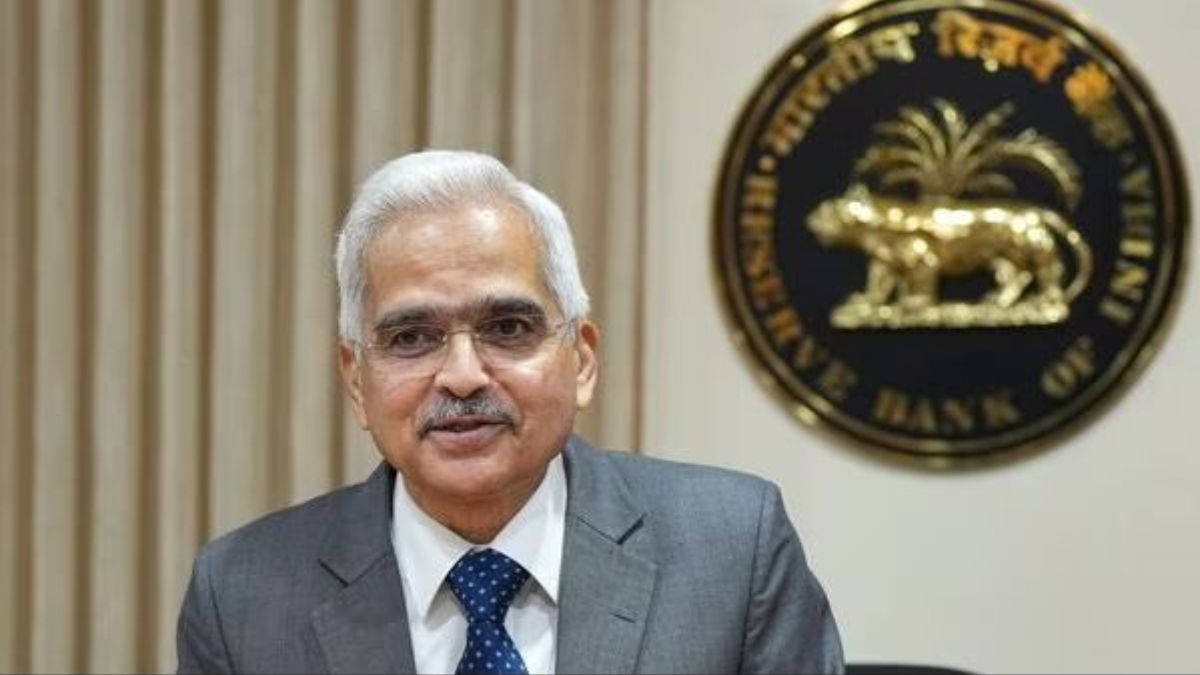
Introduction : In the dynamic realm of financial strategies, a noteworthy development has emerged with the RBI’s signal of intent to swiftly reverse the effects of the incremental CRR hike. This financial maneuver, colloquially known as the “CRR Hike,” has garnered significant attention for its potential to reshape the economic landscape. As the Reserve Bank of India positions itself to return the funds drawn in through this strategic adjustment, various sectors of the economy, from banking to investments, stand on the precipice of change. In this article, we delve into the intricacies of the RBI’s intent and its potential ramifications for India’s fiscal future. Understanding the RBI’s Signal The RBI, as the apex financial institution of India, wields substantial authority in influencing the country’s economic dynamics. The recent signal pertains to the central bank’s readiness to unwind the additional funds that were absorbed through an incremental CRR hike. CRR is the proportion of deposits that banks are required to maintain as reserves with the RBI. The RBI’s move to increase CRR temporarily was aimed at curbing excessive liquidity and managing inflationary pressures. However, the signal suggests that the RBI is poised to release these additional funds back into the banking system, thus easing the liquidity stance. RBI Signals Intent to Soon Return Funds Sucked via Incremental CRR Hike The Reserve Bank of India (RBI) has signaled its intent to soon return the funds that it had sucked out of the banking system through an incremental hike in the cash reserve ratio (CRR) in August 2023. The RBI raised the CRR by 50 basis points (bps) to 4.5% in May 2023 to absorb excess liquidity in the system. This led to a withdrawal of around Rs 8 trillion from the banking system.The RBI Governor, Shaktikanta Das, said in the August monthly bulletin that the central bank is “committed to ensuring adequate liquidity in the system” and that it will “take appropriate measures to manage liquidity in the light of evolving conditions. Image Source: zeebiz.com ” This suggests that the RBI is likely to reverse the CRR hike in the near future. The RBI could do this by either reducing the CRR or introducing other measures to increase liquidity in the system. A reduction in the CRR would release funds to the banks, which they could then lend to businesses and consumers. This would help to boost economic growth. The RBI is likely to take a decision on the CRR hike in its next monetary policy meeting in October 2023. The RBI’s signal to return the funds sucked via incremental CRR hike is a positive development for the economy. It will help to boost liquidity in the system and support economic growth. Here are some of the reasons why the RBI is likely to return the funds sucked via incremental CRR hike: Image Source: business-standard.com The RBI’s decision to return the funds sucked via incremental CRR hike will be welcomed by businesses and consumers. It will help to make credit more accessible and affordable, which will boost economic activity. Conclusion : In an era marked by financial synergy, the surge in lending from banks to NBFCs stands as a testament to the evolving landscape of economic collaboration. This remarkable increase not only fuels economic expansion but also underscores the confidence in NBFCs’ ability to cater to diverse sectors. As regulators and financial institutions maintain a vigilant watch, it is evident that this partnership will continue to play a pivotal role in fostering inclusive growth while upholding the pillars of responsible lending and sustainable development. The trajectory ahead offers a promising path for further cooperation, innovation, and collective progress within the financial realm. Also Read: Banks’ Lending to NBFCs Vigorous 35% in June, Boosting Economic Recovery Pranjal NathPranjal Nath is a versatile content writer with a passion for exploring and writing about various topics. With expertise in finance, education, science, sports, and travel, he creates engaging and informative content for readers. Through his writing, Pranjal aims to educate and inspire his audience to learn and experience new things.
Navigating RBI Policy: Bankers’ Optimistic Outlook Amid Nuanced CRR Adjustment

RBI

Introduction: The recent policy moves by the Reserve Bank of India (RBI) have sparked discussions within the banking sector. Bankers are evaluating the implications of the central bank’s decisions, particularly the Cash Reserve Ratio (CRR) adjustment, on their lending abilities and overall operations. The nuanced nature of the RBI’s policy changes has prompted bankers to delve deeper into the potential impact on their lending strategies. While the adjustment in CRR has raised questions, experts within the banking community express confidence that it may not severely hamper their lending capabilities. The RBI’s move to adjust CRR is part of its efforts to manage liquidity and stabilize the financial system. Bankers acknowledge the central bank’s intention and its role in maintaining a healthy economic environment. They emphasize the importance of understanding the broader context and long-term objectives of these policy adjustments. Several experts believe that the impact of the CRR adjustment may not be as drastic as initially perceived. While it might influence certain operational aspects, bankers remain optimistic about their ability to continue lending and supporting economic growth. The prudent approach taken by the RBI is recognized for its aim to strike a balance between managing liquidity and ensuring that banks can effectively play their role in the country’s economic progress. Image Source: zeebiz.com Furthermore, the response of the banking sector to these policy changes reflects a collaborative effort. Bankers are engaging in discussions and knowledge-sharing to better comprehend the implications and chart a way forward. This collective approach underscores the banking industry’s resilience and commitment to adapting to evolving economic dynamics. Bankers Call RBI Policy Nuanced; CRR Move Will Not Impact Lending Ability The Reserve Bank of India (RBI) announced its monetary policy decision on August 10, 2023. The central bank kept the repo rate and reverse repo rate unchanged at 4% and 3.35%, respectively. However, the RBI did announce a 10% incremental cash reserve ratio (CRR) requirement, which will take out an estimated Rs 1 lakh crore of liquidity from the system. Bankers have welcomed the RBI’s decision to keep the repo rate and reverse repo rate unchanged. They say that this will help to keep borrowing costs low for businesses and consumers. However, they have expressed some concerns about the CRR hike. The CRR hike will reduce the amount of money that banks have available to lend. This could lead to higher lending rates and a slowdown in credit growth. However, bankers say that the impact of the CRR hike will be mitigated by the fact that the RBI has also announced several measures to boost liquidity in the system. For example, the RBI has said that it will conduct open market operations (OMOs) to inject liquidity into the system. The central bank has also said that it will continue to provide liquidity to banks through the marginal standing facility (MSF). Image Source: business-standard.com Overall, bankers say that the RBI’s monetary policy decision is a nuanced one. They say that the central bank has struck a balance between keeping borrowing costs low and reducing inflation. In terms of the impact of the CRR hike on lending ability, bankers say that it will not have a significant effect. They say that banks have enough liquidity to meet the new CRR requirement. Additionally, the RBI has taken steps to mitigate the impact of the CRR hike by injecting liquidity into the system. In conclusion, Bankers view the recent RBI policy adjustments, including the CRR move, through a nuanced lens. While challenges exist, the consensus among experts is that these changes will not significantly hinder their lending ability. The banking community remains committed to navigating the evolving landscape, collaborating with regulatory bodies, and contributing to India’s economic growth in a sustainable manner. Image Source: zeebiz.com As a result, bankers say that the RBI’s monetary policy decision will not have a significant impact on lending ability. This is good news for businesses and consumers, who will be able to continue to access credit at low rates. Read our previous article- Positive Development: Tata Capital’s Merger Plan Gets Green Light from Competition Commission. Muskan BansalMuskan Bansal is a finance enthusiast with a keen interest in financial news and sports. With a passion for staying up-to-date with the latest developments in the world of finance, Muskan combines a strong analytical mindset with a love for sports to gain a well-rounded perspective. Equipped with a deep understanding of both domains, Muskan seeks to bridge the gap between finance and sports, exploring the intersection of these two diverse fields.