
Global Markets Jump After US-Iran Move Toward Ending Conflict: Why Investors Are Betting on a New Era of Stability
Global markets rallied strongly after reports emerged that the United States and Iran are moving toward ending months of conflict in the Gulf region. Investors responded positively to news of a proposed 14-point Islamabad Memorandum, which could pave the way for greater geopolitical stability and smoother global trade flows.
Key Highlights of the Islamabad Memorandum
The proposed framework is not a final peace agreement but serves as a roadmap toward de-escalation. The main points include:
- Immediate halt to military operations.
- Reopening of the Strait of Hormuz.
- A 60-day negotiation period.
- Discussions on Iran’s nuclear program.
- Potential sanctions relief measures.
- Long-term regional stability initiatives.
Even though the agreement remains in its early stages, markets reacted positively to the possibility of reduced tensions.
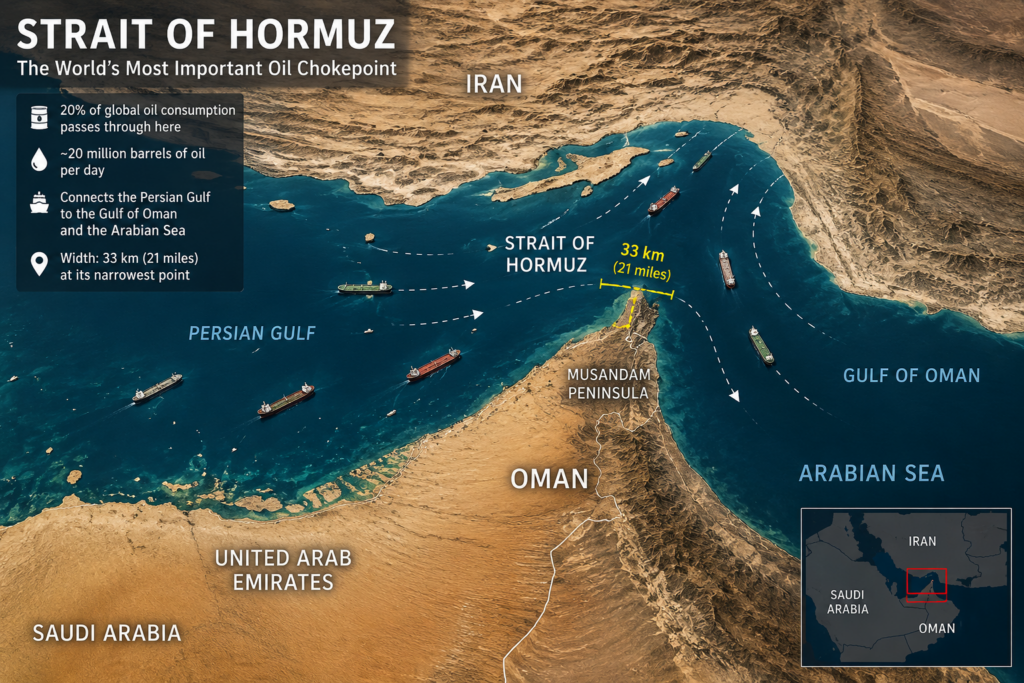
Why the Strait of Hormuz Matters
The Strait of Hormuz remains one of the world’s most critical energy corridors.
Key Facts:
- Handles a significant portion of global oil exports.
- More than 14 million barrels of oil per day were affected during recent disruptions.
- Any threat to shipping routes typically causes immediate spikes in crude oil prices.
- Reopening the strait could normalize global energy supplies.
As confidence grew that shipping would resume normally, traders quickly reduced the geopolitical risk premium built into oil prices.
Markets React Positively
Global equity markets posted significant gains:
- Japan’s Nikkei 225 surged up to 5.5%.
- South Korea’s Kospi climbed as much as 5.7%.
- Australia’s ASX200 gained approximately 1.5%.
- Hong Kong’s Hang Seng briefly rose around 1%.
United States Markets
US futures also reflected strong investor optimism:
- S&P 500 Futures rose around 1%.
- Nasdaq Futures gained nearly 1.8%.
Oil Prices Fall Sharply
Energy markets reacted in the opposite direction as geopolitical concerns eased.
Crude Oil Performance
- WTI Crude fell 4.8% to $80.75 per barrel.
- Brent Crude declined 4.7% to $83.17 per barrel.
- Heating Oil dropped more than 3.5%.
- Wholesale Gasoline fell over 2.5%.
Important Context
Despite the decline:
- Crude oil prices remain roughly 40% higher than the beginning of the year.
- Markets are pricing in lower geopolitical risks, not necessarily weak demand.
Sectors Benefiting from Lower Oil Prices
Lower crude oil prices typically benefit industries that rely heavily on fuel and transportation costs. The biggest beneficiaries include:
- Airlines and aviation companies
- Automobile manufacturers
- Logistics and transportation firms
- Consumer-focused businesses
- Manufacturing companies
At the same time, energy producers may face pressure as lower oil prices can impact their profitability. This shift often leads investors to rotate funds from energy stocks into sectors that benefit from cheaper operating costs.
What This Means for India
India stands to gain significantly from any sustained decline in oil prices. As a country that imports more than 80% of its crude oil requirements, lower energy costs can have a meaningful impact on economic growth, inflation, and market sentiment.
Equity Market Performance
- Sensex jumped as much as 1,293 points, reaching 76,821.
- Nifty 50 reclaimed the important 24,000 level.

Currency Market
- Indian Rupee strengthened by 53 paise against the US Dollar.
Several sectors led the rally, including:
- Realty
- Banking and financial services
- Automobiles
- Metals
- Oil & gas
Stocks such as Tata Motors, Maruti Suzuki, Larsen & Toubro, and Bajaj Finance emerged among the top gainers as investors positioned themselves for a potentially more favorable economic environment.
Long-Term Benefits for India
If the agreement progresses successfully and oil prices remain stable, India could experience several long-term advantages:
- Lower inflation due to reduced fuel and transportation costs.
- Improved trade balance through lower energy import expenses.
- A stronger and more stable rupee.
- Increased foreign investor confidence.
- Better corporate profitability across multiple sectors.
Historically, Indian equity markets have performed well during periods of stable or declining crude oil prices, as lower energy costs improve margins and support economic growth.
Why Investors Should Remain Cautious
Despite the optimism, several uncertainties remain. The memorandum is only the first step toward a broader agreement, and previous diplomatic efforts have often faced delays or setbacks. Additionally, the physical normalization of shipping routes and energy supplies could take several months even if a formal agreement is reached.
Market participants should also remember that geopolitical situations can change rapidly, and any disruption to negotiations could quickly reverse current sentiment.
Conclusion
The proposed US-Iran framework has injected fresh optimism into global financial markets, with investors betting that diplomacy will reduce geopolitical risks and stabilize energy supplies. The potential reopening of the Strait of Hormuz has already pushed oil prices lower and boosted equities worldwide.
For India, the development could prove especially beneficial through lower inflation, reduced import costs, stronger currency performance, and renewed foreign investment. While risks remain and the agreement is far from complete, markets are clearly signaling their preference for stability over conflict, making this one of the most closely watched geopolitical developments of the year.
FAQ’s
Has the US-Iran war actually ended, or is this just talk?
The conflict has moved beyond diplomatic discussions, with both countries reportedly signing a memorandum of understanding on June 17. The agreement includes a ceasefire, reopening of the Strait of Hormuz, and a commitment to negotiate a broader settlement covering Iran’s nuclear program and US sanctions within 60 days. While this is a significant step forward, a final peace agreement has not yet been reached
Will oil prices keep falling from here?
Not necessarily. While oil prices have fallen following the agreement, analysts remain divided on the outlook. Supply chain disruptions, lower global inventories, and the time required to restore normal exports could keep oil prices elevated in the near term.
Will this bring inflation down everywhere, including India?
Lower oil prices could help reduce inflationary pressure, but the impact may not be immediate. In India, cheaper crude oil would support the rupee, reduce import costs, and ease inflation over time, though broader economic factors will also influence price trends.
Which sectors and stocks stand to gain the most?
Sectors that benefit from lower fuel and transportation costs are expected to be the biggest winners. These include aviation, automobiles, logistics, banking, financial services, real estate, and metals. In India, stocks from these sectors have already responded positively to the easing geopolitical tensions.