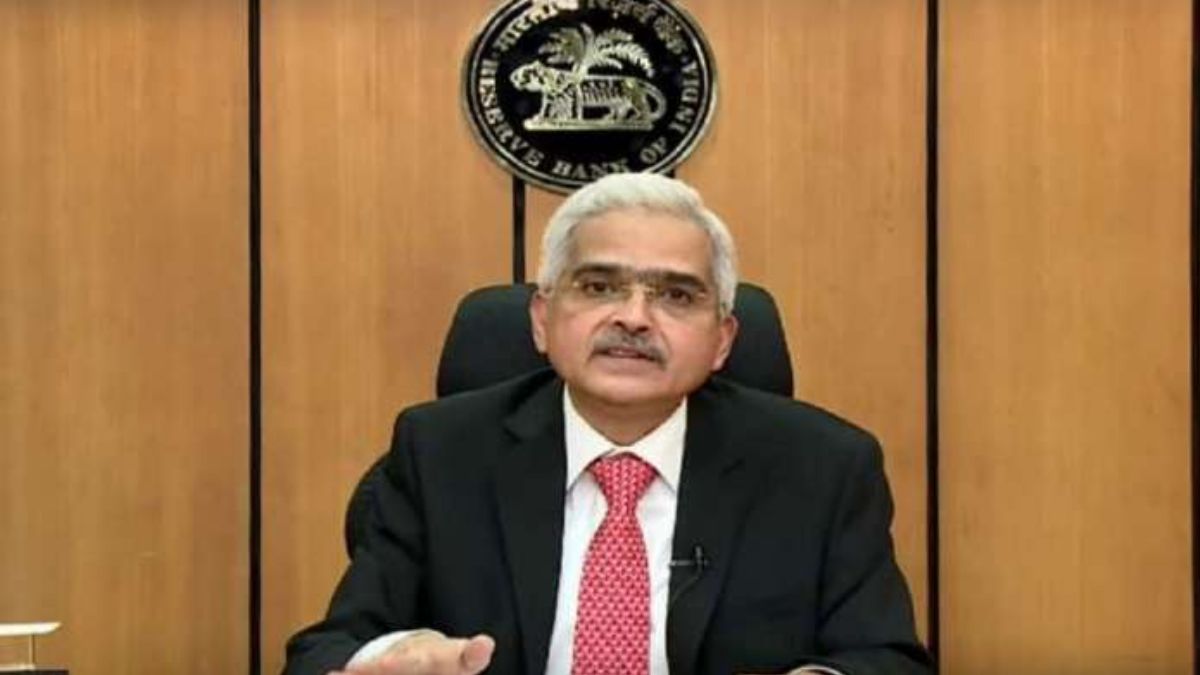
RBI Governor Shaktikanta Das Denounces Speculation Surrounding Return of Rs 1,000 Notes
Introduction
In a recent statement, Reserve Bank of India (RBI) Governor Shaktikanta Das addressed the widespread speculation surrounding the potential reintroduction of Rs 1,000 notes in the Indian currency. Das emphasized that such claims were purely speculative and lacked any factual basis. This announcement comes as a response to mounting rumors and discussions within the public sphere about the possibility of reissuing the discontinued high denomination banknotes. In this blog post, we will delve into the reasons behind the governor’s dismissal of these rumors and analyze the potential implications of such a move.
Background
In November 2016, the Indian government announced the demonetization of Rs 500 and Rs 1,000 notes as a measure to combat corruption, counterfeit currency, and black money. The decision led to the withdrawal of nearly 86% of the country’s currency in circulation, causing significant disruption to the economy. Since then, the focus has shifted towards promoting digital transactions and encouraging the use of lower denomination currency notes.
The Speculation
In recent months, there has been a surge in speculation surrounding the reintroduction of the Rs 1,000 notes. Various reports, social media discussions, and unverified sources have fueled the speculation, leading to confusion and uncertainty among the public. However, RBI Governor Shaktikanta Das has categorically dismissed these claims, terming them purely speculative and lacking any credible foundation.
The Governor’s Stance
Governor Das’s dismissal of the rumors can be attributed to several factors. Firstly, the Indian economy has made significant progress since the demonetization exercise in 2016. The focus has been on promoting transparency, encouraging digital payments, and facilitating financial inclusion. Reintroducing high denomination currency notes could potentially derail these efforts and reverse the progress made in building a more transparent and cashless economy.
Secondly, the demonetization exercise was primarily aimed at curbing the circulation of black money and counterfeit currency. Reintroducing the Rs 1,000 notes, which were a major source of such illicit activities in the past, may inadvertently provide opportunities for a resurgence of these practices. Governor Das’s dismissal of the speculation underscores the RBI’s commitment to maintaining the gains achieved through demonetization.
Lastly, the availability of higher denomination notes could have unintended consequences, including an adverse impact on inflation. The withdrawal of high denomination notes had a deflationary effect on the economy, and reintroducing them may potentially fuel inflationary pressures. Given the RBI’s mandate to maintain price stability, the Governor’s cautious approach towards reintroducing Rs 1,000 notes is understandable.
Conclusion
The speculation surrounding the return of Rs 1,000 notes in India has captured public attention and generated widespread debate. However, RBI Governor Shaktikanta Das has unequivocally dismissed these claims, labeling them as purely speculative. The decision to reintroduce high denomination notes would have significant implications for the Indian economy, including potential setbacks to the progress made in promoting digital transactions, increasing financial transparency, and combating black money. While the rumors persist, it is crucial to rely on official statements and credible sources for accurate information. As citizens, it is essential to stay informed and cautious in our assessments of such speculative reports to maintain the stability and progress of our economy.

Muskan Bansal is a finance enthusiast with a keen interest in financial news and sports. With a passion for staying up-to-date with the latest developments in the world of finance, Muskan combines a strong analytical mindset with a love for sports to gain a well-rounded perspective. Equipped with a deep understanding of both domains, Muskan seeks to bridge the gap between finance and sports, exploring the intersection of these two diverse fields.